


White-sand beaches, volcanic landscapes, tropical weather, and ocean views have made Hawaii one of the most desired destinations on the planet. At the same time, many travelers dismiss the idea almost immediately after hearing stories about expensive flights and budgets that seem out of reach for the average family. The reputation is understandable, although a family trip to Hawaii on a budget is possible when planned carefully.
If you are part of the people who want the Hawaiian experience without assuming the trip must be luxurious, you got to the right place. Tripiefly will show how a specific app can impact airfare costs throughout the year and hotel prices, depending on the island and season. Read the article below and discover opportunities that make a Hawaiian vacation more accessible than expected.

Hawaii on a budget: how much do you spend per person?
The total cost of a Hawaii trip is like travelling to anywhere else, and the impact comes from different factors.
For example, travel dates, departure airport, island choice, and personal spending habits are some of these factors.
So, while luxury vacations can easily cost several thousand dollars per person, there are some budget-conscious travelers that prefer to spend far less than expected.
As always, airfare will probably be your largest expense.
Round-trip flights from the mainland United States range from $300 to $900 per person, although prices move depending on the season and how advanced reservations are made.
Then, accommodation costs will vary across the islands. Maui, for example, is considered by many the most expensive island.
On the other hand, the Big Island has more offers, since Honolulu is located on the Big Island. The capital city has an international airport and more hotels than the other islands.
If you’re pricing accommodation, budget accommodations may cost between $80 and $200 per night, while beachfront resorts command substantially higher rates.
Food is also part of the trip, and these expenses can be surprisingly manageable when travelers combine local restaurants and grocery stores to cook at home.
It is common for visitors to spend between $25 and $60 per day on meals without feeling restricted.
When it comes to transportation, rental cars are common on several islands, although public transportation and rideshare services can reduce costs in some destinations.
For travelers, a realistic budget falls between $120 and $250 per day, excluding airfare.
A one-week vacation may therefore cost approximately $1,100 to $2,600 per person depending on accommodations, meals, transportation choices, and sightseeing plans.
The key takeaway is that Hawaii can certainly be expensive, although it does not have to be.
We are learning that travelers who compare prices carefully and remain flexible with travel dates discover that the final cost is lower than the destination’s reputation suggests.
Which Hawaiian island is the cheapest to visit?
Like anywhere else, travel costs vary considerably across Hawaii’s major islands, and choosing the right destination can have a noticeable impact on the vacation budget.
As we mentioned, airfare, hotel inventory, transportation needs, and dining options all influence the final price.
If you’re planning Hawaii on a budget, Oahu is known as the most budget-friendly choice. The island receives the highest volume of visitors.
And that creates greater competition among airlines, hotels, vacation rentals, restaurants, and transportation providers.
Honolulu offers another financial advantage because it’s located on the main island.
Since Honolulu contains a large concentration of accommodations, travelers can find more price options than on islands with fewer hotels and resorts.
The Big Island can also provide good value for visitors interested in nature and scenic drives.
Of course it’s advisable to choose accommodations outside the main tourist areas because they are frequently less expensive than comparable properties on Maui.
On the other hand, because of its luxury resorts, Maui is usually one of the more expensive islands and can push nightly rates higher during popular travel periods.
Kauai falls somewhere in the middle, although prices depend on seasonality and accommodation availability.
On this island, visitors are rewarded with spectacular scenery, though transportation costs can increase if extensive driving is required.
If you are prioritizing affordability, Oahu is the best starting point.
Lower airfare, broader hotel selection, and abundant dining options make it the easiest island for planning Hawaii on a budget without sacrificing beaches and cultural attractions.
Step-by-step to planning a trip to Hawaii using the app
Planning a trip to Hawaii on a budget is easier if you use KAYAK (iOS/Android). This app helps travelers estimate costs before booking and prevent unpleasant surprises later in the planning process.
Step 1: download the app
To start your search, you will need to download and install KAYAK from the App Store or from the Play Store.

Step 2: search for flights
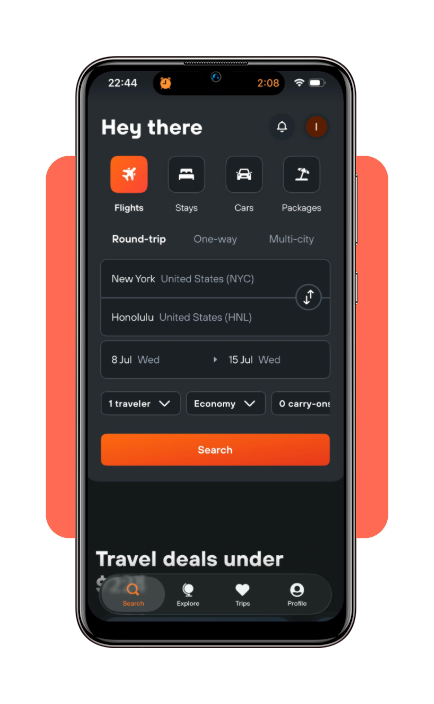
Once downloaded, enter your departure airport and preferred travel dates to compare fares from multiple airlines serving Hawaii routes.
Step 3: compare accommodation options
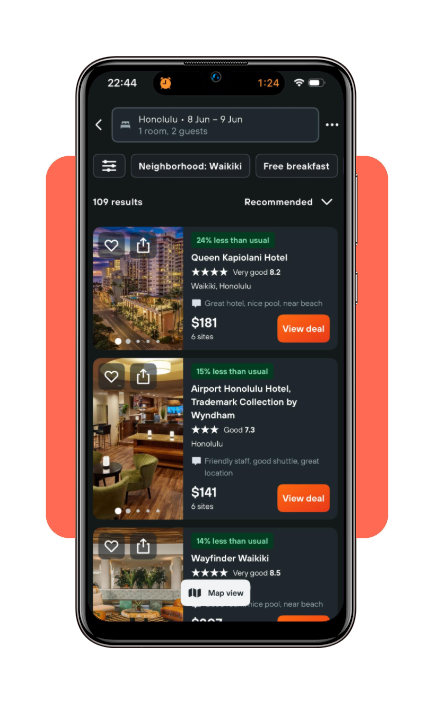
Review hotels, vacation rentals, and other lodging choices across Oahu, Maui, Kauai, and the Big Island to identify options that fit your budget.
Step 3: activate price alerts
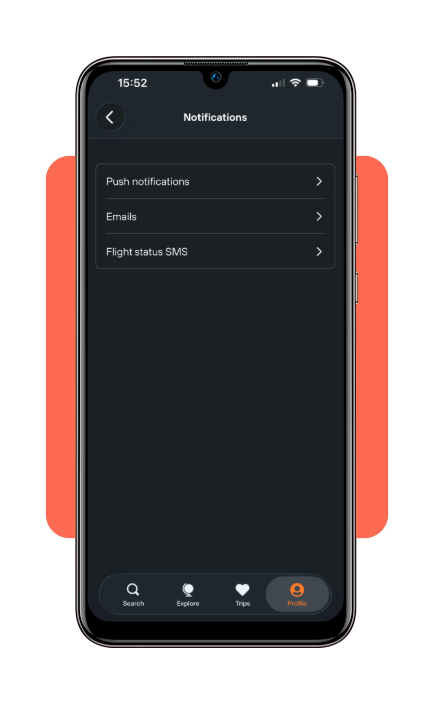
Enable fare tracking so the app can notify you when flight prices increase or decrease before you make a reservation.
Best time to visit Hawaii with lower airfare and hotel prices
You probably know how Hawaii gets during high season. That’s why travel timing can have a major impact on the overall cost of a Hawaii vacation.
Airfare, hotel rates, rental cars, and even certain activities fluctuate throughout the year, sometimes creating price differences of hundreds of dollars for the exact same destination.
The most expensive periods coincide with major school holidays and peak travel seasons.
Therefore, Christmas, New Year’s, spring break, and much of the summer bring higher demand, which leads to increased prices across flights and accommodations.
Travelers seeking to go to Hawaii on a budget frequently target the shoulder seasons.
That happens in late April through early June and much of September through early November, providing a favorable balance between weather, crowds, and travel costs.
These periods offer lower hotel rates and improved airfare availability compared to peak holiday windows.
Still, beaches remain attractive, temperatures stay comfortable, and many popular attractions feel less crowded.
And like any other travel, flexibility creates significant savings.
So shifting departure dates by just a few days can unlock lower fares, particularly when travelers monitor pricing trends and compare multiple travel windows before booking.
When planning a trip to Hawaii on a budget, the months of May, June, September, and October are frequently among the strongest options.
They all combine pleasant weather with some of the year’s most attractive opportunities for airfare and accommodation savings.
Free and low-cost things to do in Hawaii
One of the biggest misconceptions about Hawaii is that every activity comes with a premium price tag.
In reality, some of the islands’ most memorable experiences cost very little and, in many cases, nothing at all.
The beaches are the most obvious example.
At the beach, any visitor can spend entire days swimming, relaxing, snorkeling in certain areas, or simply enjoying the scenery without paying admission fees.
In addition, hiking can be another excellent option for budget-conscious travelers.
Trails across Oahu, Kauai, Maui, and the Big Island provide access to waterfalls, volcanic landscapes, coastal viewpoints, and mountain scenery that rival many paid attractions.
Also, there are some Hawaiian towns that are also worth exploring on foot.
You can find historic districts, local markets, cultural landmarks, public parks, and waterfront areas that offer opportunities to experience local life without increasing daily expenses.
Admiring the changing colors from a scenic overlook, like when watching the sun disappear over the Pacific Ocean is a free experience as well.
When planning, it is also possible to find free cultural events, public hula performances, community festivals, and local celebrations.
A Hawaii vacation may be closer than you think
Hawaii has earned a reputation as one of America’s most expensive trips, but travelers discover that the real costs are more manageable once expenses are examined thoroughly.
A successful Hawaii on a budget trip comes from flexible travel dates, affordable accommodations, local dining options, and free outdoor activities.
The islands offer more than luxury resorts. Beaches, hiking trails, scenic drives, cultural attractions, and breathtaking landscapes are free.
And they still provide opportunities to build unforgettable memories while keeping spending under control. Use KAYAK (iOS/Android) and build a vacation plan that fits your budget.
If you think this article was useful for your travels, save Tripiefly on your favorites and stay up-to-date with other travel tips.