

The modern airline industry has perfected the art of bait-and-switch. A traveler spots a cheap ticket to Barcelona or Cancún, experiences a brief surge of optimism, and begins imagining the trip before the booking page has even fully loaded. For a few glorious minutes, it feels like beating the system. Then the fees begin multiplying.
Seat selection, carry-on luggage, checked bags and even the privilege of sitting beside another human being slowly transform the bargain fare into something much less cinematic. Airlines increasingly sell the flight in pieces, turning what used to be standard travel comforts into optional upgrades purchased one checkbox at a time. Understand it.

Why can cheap tickets cost more?
The financial anatomy of a modern airfare reveals that the base price of a cheap ticket is essentially a loss leader.
Airlines have decoupled the core cost of transport from the actual comfort of the passenger, and turned every step of the airport experience into a monetizable microtransaction.
If you’re not paying close attention, the unbundled add-ons will quietly eclipse the cost of the original airfare entirely.
Baggage fees, seat fees and airport service charges
The primary culprits in this escalating financial theater are the modular fees attached to things we used to take for granted.
A standard ‘Basic Economy’ or ultra-low-cost carrier fare often covers nothing more than a tiny personal item that must fit beneath the seat in front of you:
- Baggage: if your backpack is an inch too wide, you will face an onboarding fee that frequently exceeds $70 each way;
- Seat selection: want to ensure you aren’t assigned a middle seat in row 36 next to the lavatory? That will be an extra $15 to $45 per segment;
- Airport service charges: some carriers even penalize you for interacting with a human agent, levying a hefty fee just to print your boarding pass at the physical airport desk instead of using their app.
Why low-cost airlines show lower base fares
Budget carriers do not offer lower base prices out of the goodness of their corporate hearts; it is a calculated structural strategy designed to conquer search engine algorithms.
Aggregator sites rank flights strictly by the initial base fare, meaning a carrier must strip away every single amenity to position its cheap ticket at the very top of your search results.
Once the airline has successfully captured your click, their digital checkout pipeline functions like an aggressive e-commerce funnel.
They utilize complex interface design—often referred to as ‘dark patterns’—to make you feel like selecting a seat, adding a carry-on, or buying flight insurance is mandatory to complete the purchase.
When you realize your mistake, you’ve invested too much time in the form to back out, and the airline successfully extracts its high-margin revenue through these ancillary fees.
How Skyscanner exposes the true cost of flying
Tired of seeing a $99 flight turn into $250 at checkout? You don’t have to spend hours building complex spreadsheets to protect your wallet.
Used by over 10 million travelers globally, the free Skyscanner mobile application (Android | iOS) analyzes hidden fees across more than 500 airlines in under 60 seconds.
Pulling real-time data from global inventory systems, it shows you exactly what your journey will cost, saving users an average of $120 per booking on hidden add-ons.
To keep airlines from masking their real pricing structures, you can download it via the App Store for iOS or the Google Play Store for Android.
Step-by-step to spotting hidden airline fees before booking
Beating the airlines at their own game requires abandoning manual cross-referencing. Check how:
Step 1: input your destination into Skyscanner
Open the app on your Android and iOS, and utilize the ‘Explore Everywhere’ or specific date search to surface initial raw rates.
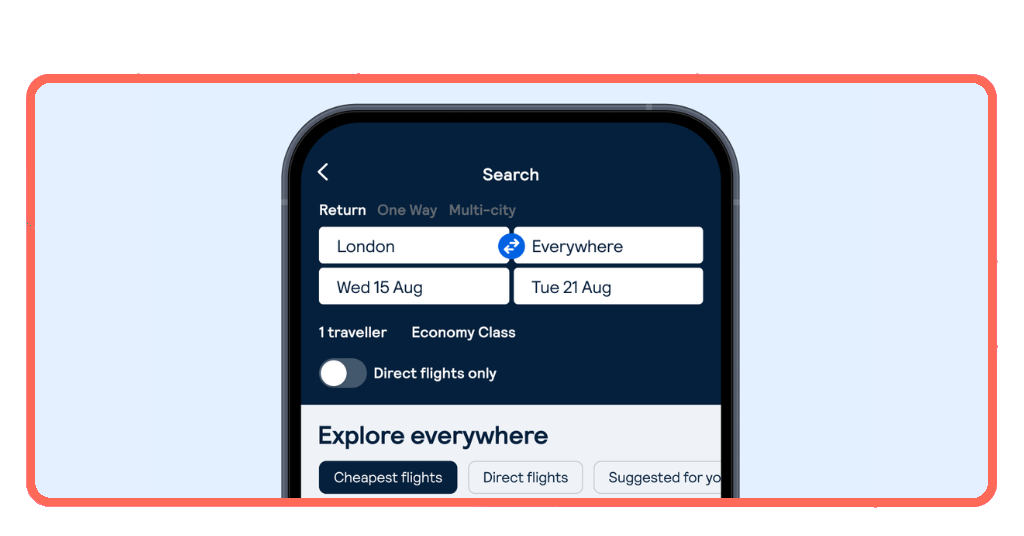
2: apply the Bag and Seat filter overlays
Before selecting a flight, use the app’s internal filtering system to specify how many checked bags and carry-ons you intend to bring.
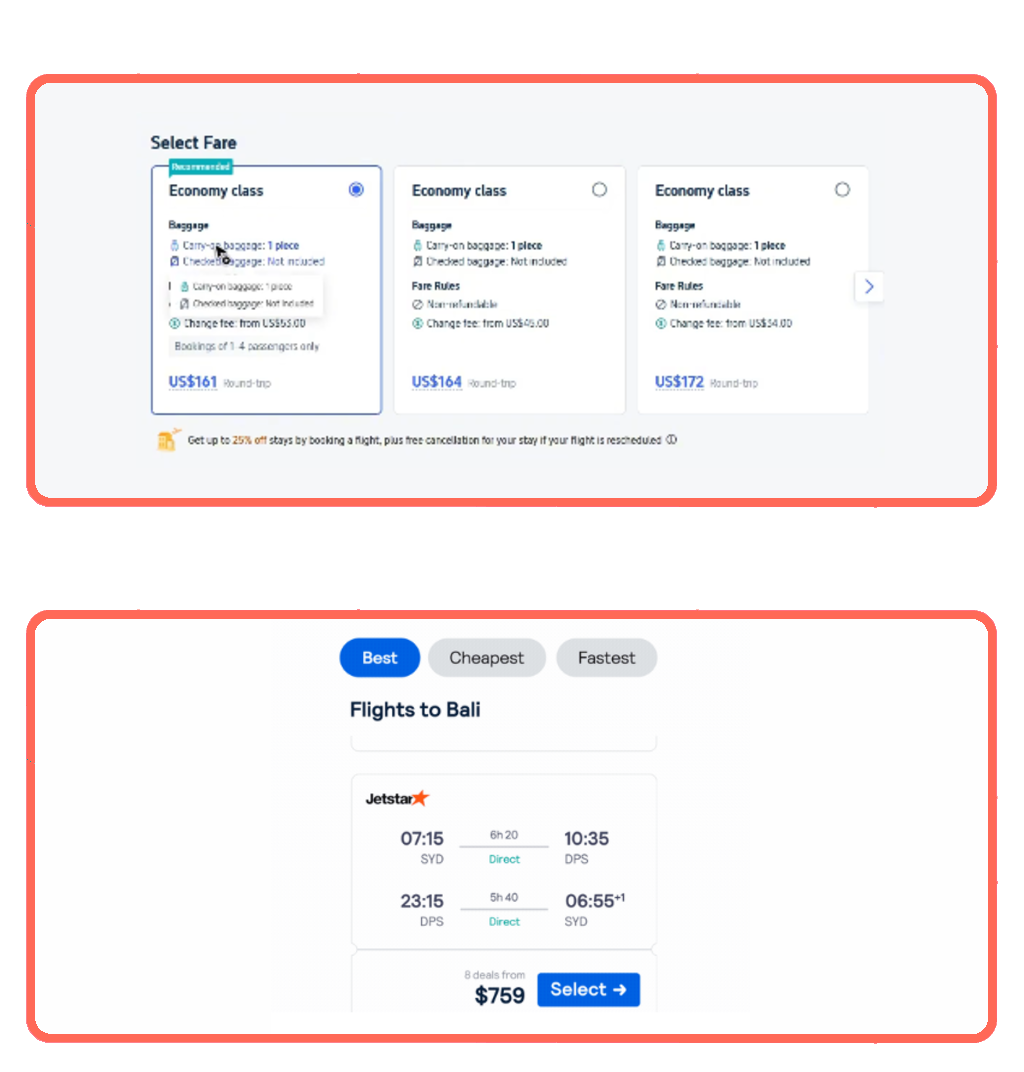
Step 3: check for virtual interlining flags
Watch as the software recalculates the list. Look for the app’s internal ‘Travel Hack‘ indicators. The algorithm will show you if your low price relies on separate, unprotected self-transfers across completely different airlines.
When travel insurance or flexible tickets may be worth it
When booking a rock-bottom cheap ticket, travelers routinely reject the optional ‘flexible fare’ or third-party travel insurance upgrades.
While skipping these options saves cash upfront, it exposes you to financial downside if your plans shift by even an hour.
Basic economy tickets are almost universally non-refundable and non-changeable; if you miss your flight due to an emergency, the airline will cancel your itinerary with zero residual value.
If you are booking a multi-leg journey involving independent low-cost carriers or traveling during highly volatile weather seasons, consider this:
Spending an extra 10% on a flexible ticket or utilizing a premium rewards credit card that offers built-in trip delay protections is a statistically sound investment.
How to execute a flawless, fee-free booking
Another defense against predatory airline pricing?
Radical minimalism and absolute precision. If you are determined to fly on a truly cheap ticket without paying a single dollar extra, you must conform to the carrier’s baseline constraints.
Pack everything into a soft-sided personal backpack that precisely matches the dimensions under the seat, reject the seat selection screens entirely, and download your digital boarding pass well before arriving at the terminal.
Beating the airlines at their own game
Modern aviation requires keeping your eyes wide open and relying on transparent, data-driven platforms to expose hidden operational costs.
A truly cheap ticket only remains a bargain if you possess the discipline to outsmart the e-commerce traps and structural upsells waiting for you at checkout.
To discover more travel hacks, airline fee comparison guides, and strategies to make your budget trips feel premium, explore the breakdowns over at Tripiefly.