


The question ‘Is travel insurance worth it?’ appears when travelers start looking at trip costs and realize how much money is already committed to flights, hotels, tours, cruises, and transportation arrangements. At that point, adding another almost can feel unnecessary when everything seems perfectly planned. However, the situation can change when a canceled flight, medical emergency, lost baggage, or unexpected interruption suddenly turns a dream vacation into a much more expensive problem.
For those reasons, it’s wise to use VisitorsCoverage before departure. With this comparison platform, travelers can compare plans and evaluate potential protection based on destination, trip cost, and personal circumstances. For many, travel insurance feels like an extra expense, but even for them, an unexpected event creates costs that far exceed the price of the policy itself.
Situations where travel insurance worth it
The answer to ‘Is travel insurance worth it?’ depends on how much financial risk a traveler is willing to accept before leaving home.
To begin with, international trips are among the most common situations where coverage can provide meaningful value.
That is because medical treatment abroad can be extremely expensive, especially in destinations where a visitor’s domestic health insurance offers little or no protection.
Travel insurance also becomes more attractive when significant amounts of money have already been invested in nonrefundable flights, hotels, cruises, tours, or vacation packages.
In addition, travelers visiting remote destinations or participating in adventure activities may face higher exposure that could disrupt travel plans or generate additional expenses.
Families traveling with children or individuals with ongoing medical concerns consider insurance coverage since unforeseen situations can have greater financial consequences.
Lastly, even business travelers may find value in coverage when delayed flights or emergency medical situations could affect important schedules and commitments.
How travel insurance coverage works
Travel insurance works as a financial protection policy that may reimburse eligible losses or provide assistance when covered events occur before or during a trip.
After purchasing a policy, travelers receive coverage according to the terms, limits, exclusions, and benefits described in their plan documents.
And then, if a covered situation occurs, a claim can typically be submitted with supporting documentation for review.
Coverage amounts vary considerably between plans. That is why many travelers compare options through platforms such as VisitorsCoverage before selecting a policy.
Some benefits reimburse expenses after the trip, while others may provide direct assistance.
That can come through emergency support services, medical coordination, travel assistance hotlines, or other resources available through the insurer.
The exact protection depends on the specific policy purchased, making it important to review coverage limits, exclusions, waiting periods, and claim requirements before departure.
What travel insurance usually covers
Most of the time, travel insurance is worth it and provides protection for unexpected medical emergencies.
It can also cover situations related to trip cancellations, trip interruptions, travel delays, and lost or delayed baggage.
Coverage may also help with certain prepaid travel expenses when a covered event forces the traveler to cancel or shorten a trip unexpectedly.
Emergency assistance services are another common benefit, helping travelers locate medical care, coordinate transportation, or obtain support while away from home.
What travel insurance usually does not cover
Most policies contain exclusions that travelers should understand before purchasing coverage.
For example, pre-existing medical conditions may have limited coverage unless specific requirements are met through the policy.
Meanwhile, certain high-risk activities or situations involving negligence may also fall outside standard protection.
Also, claims lacking proper documentation can create difficulties during reimbursement reviews.
Consequently, travelers should keep receipts, medical records, travel confirmations, and other supporting documents whenever a covered event occurs.
Understanding both the protections and the exclusions helps travelers choose a policy that aligns more closely with the type of trip they are planning.
Step-by-step guide to comparing travel insurance online
Read the guide below to compare and discover if travel insurance worth it or not:
Step 1: gather your trip information
To begin with, you need to have your destination, travel dates, traveler ages, and estimated trip cost available before starting the comparison process.
Step 2: use the comparison platform
Once you know all of this, access VisitorsCoverage‘s page and enter your travel details to view available plans from multiple insurance providers.
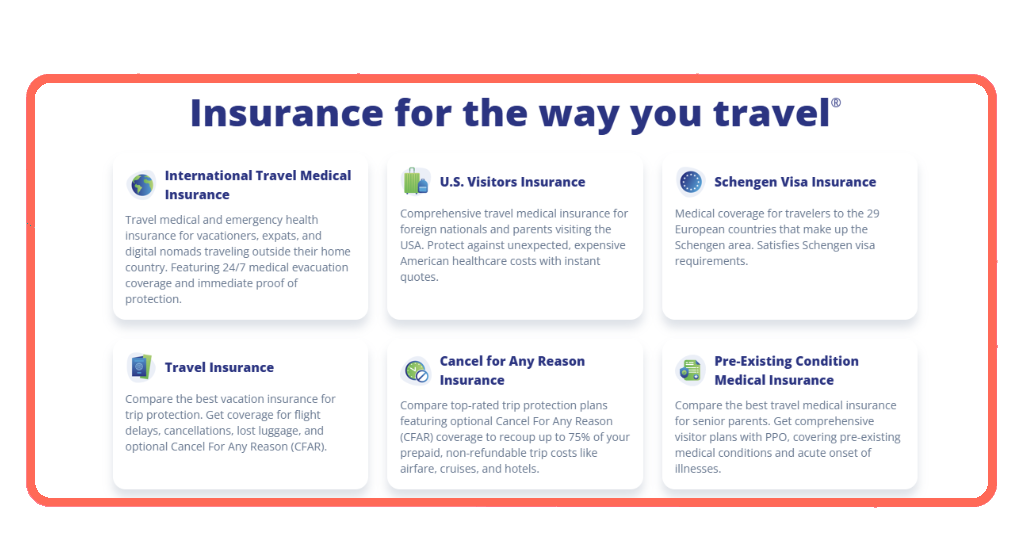
Step 3: review coverage limits
On the platform, compare medical coverage, emergency evacuation benefits, trip cancellation protection, baggage coverage, and travel delay benefits.
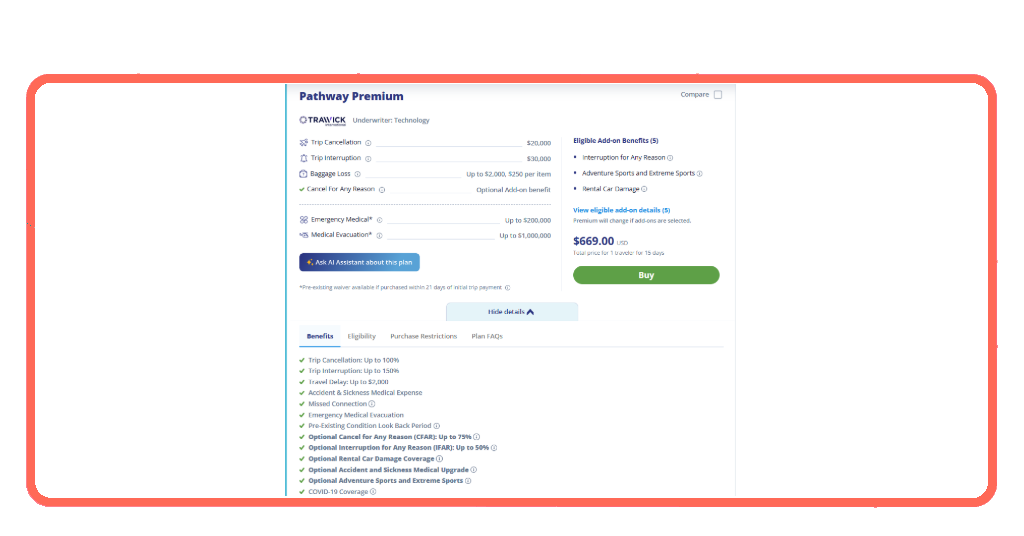
Step 4: compare total value, not just price
Also, look beyond the cheapest premium and evaluate the protection offered relative to the cost of your trip and the financial risks you want to reduce.
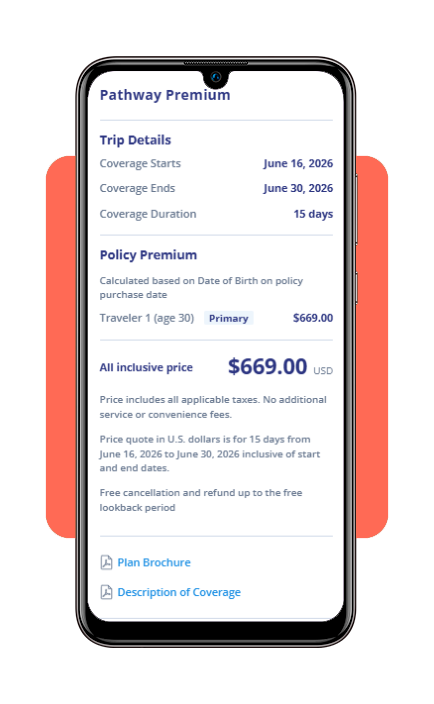
Step 5: purchase coverage before departure
Once you find a suitable policy, complete the purchase and save copies of documents, emergency contact information, and claim instructions for easy access during your trip.
How credit card travel insurance compares with paid plans
Travelers already have some level of travel protection through their credit cards, which raises an important question before purchasing a separate insurance policy.
Premium travel credit cards, for example, sometimes provide benefits.
Those benefits cover trip delay protection, lost baggage coverage, rental car protection, and certain travel accident insurance when eligible.
The challenge is that credit card protections frequently have narrower coverage limits and more restrictions than dedicated travel insurance policies.
Meanwhile, paid travel insurance plans available on VisitorsCoverage offer broader protection options.
It includes emergency medical coverage, medical evacuation benefits, and more comprehensive trip cancellation coverage depending on the policy selected.
Credit card benefits can still provide meaningful value for travelers taking shorter trips when the trip cost is relatively low and medical coverage is less of a concern.
For international travel or expensive vacations, travelers choose dedicated insurance because the financial exposure tends to be much greater.
The best approach is checking existing card protections first and comparing those benefits against paid policies to determine if additional coverage is justified for the trip being planned.
How to make a smarter decision about travel protection
The question ‘Is travel insurance worth it?’ does not have a single answer for every traveler.
Still, it is advisable to read policies on VisitorsCoverage to understand the differences between available plans and pricing before committing to a purchase.
It is also important to review any travel protections already available through credit cards, since some travelers may have partial coverage that reduces the need for insurance.
Remember to take a few minutes to compare options before departure can make it much easier to decide whether the protection is worth the cost for a particular trip.
If you think this article was useful for your travels, save Triplefly on your favorites and stay up-to-date with other travel tips.